

Perchloroethylene: Risks, Impacts and Sustainable Alternatives in Dry Cleaning
The perchloroethylenealso known as tetrachloroethyleneis an organic solvent widely used in the dry cleaning industry.
It has been used for decades to remove stains and residues from textiles and industrial parts. Perchloroethylene and its use in dry cleaning, however, have raised concerns because of its adverse health effectsThe environment and the legal framework in force.
In this article, we analyse these risks in detail and present sustainable alternatives including water-based detergents, parts washers and ultrasonic cleaning systemsWe offer safe and environmentally friendly solutions.
What is Perchloroethylene?
What is Perchloroethylene?
Perchloroethylene, or tetrachloroethylene, is a colourless liquid with a characteristic odour that is widely used as a solvent in the food processing industry. dry cleaning.
Its ability to dissolve fats and oils has made it an essential component in dry cleaning processes. However, scientific research has revealed that this compound may have adverse effects on human health and cause environmental damageThis has led to a review of its use in various communities and regulations.
Health and Environmental Risks

The use of perchloroethylene in dry cleaning processes raises serious concerns:
Health Impact:
Prolonged exposure to perchloroethylene vapours can affect the central nervous system, cause skin and respiratory tract irritation, and even increase the risk of allergic reactions. cancer risk.
Operators and workers in dry cleaning establishments are particularly exposed to these risks, which has led to calls to replace this solvent with less toxic alternatives.
Environmental Damage:
As a volatile compound, perchloroethylene can be released into the environment during the evaporation process or through equipment leaks, contaminating air and soil.
This factor is especially critical in urban areas or in areas close to water sources, where pollution can have detrimental effects on local flora and fauna.
The Fine Line Legal and Restrictions on Perchloroethylene Use
In some communities and regions, the use of perchloroethylene has been subject to strict regulation or even partial bans.
Current legislation, both at national level and in some regional governments, sets limits on the emission of toxic compounds and requires control and mitigation measures in industrial processes that use them.
This legal line aims to protect public health and the environment, but it also imposes challenges on traditional dry cleaning companies. Non-compliance with these regulations may lead to financial penalties and the closure of establishments that do not adapt to the new standards.
Sustainable Alternatives to Perchloroethylene
With growing concerns about the risks of perchloroethylene, companies and consumers alike are looking for safer and more environmentally friendly solutions.
Sustainable alternatives not only reduce environmental impact, but also improve safety for workers and businesses.
At IBERKLEEN We are aware of this problem and together with the evolution of detergents and cleaning machines we can offer sustainable alternatives to avoid damage from this dangerous solvent:
Water Based Detergents
A viable and increasingly popular option is the use of water-based detergents. These products offer effective cleaning without the use of toxic solvents.
At IBERKLEEN we have developed a range of sustainable cleaning detergents for all industrial applications and requirements.
- Benefits:
- Less toxicity for the user and the environment. We avoid the risk of cancer from exposure to perchloroethylene.
- Reduction of volatile emissions and air pollution.
- Suitable for a wide range of materials and parts in both domestic and industrial environments.
- Applications:
- The water-based formulations can be used in conventional cleaning systems and specialised equipment, offering a versatile and environmentally friendly solution for cleaning industrial parts and components.
Industrial Parts Washers
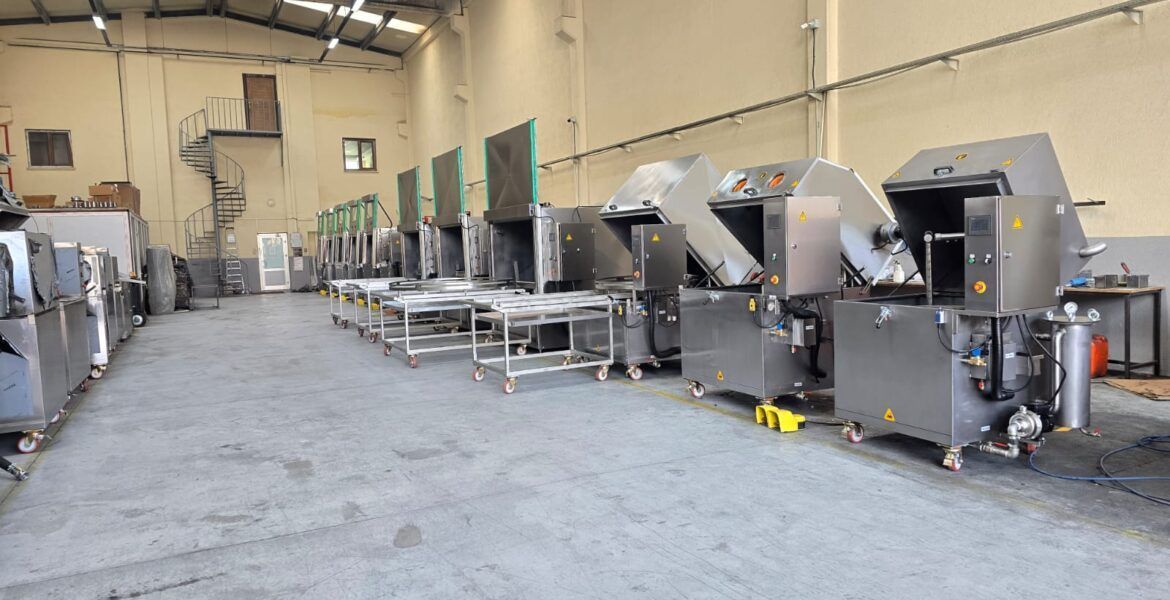
In the industrial field, parts washers offer an automated and controlled method of cleaning, eliminating the need for aggressive solvents.
- Advantages:
- Automated processes adapted to final requirements (passivation, dry parts, etc.) ensure uniform and repeatable cleaning.
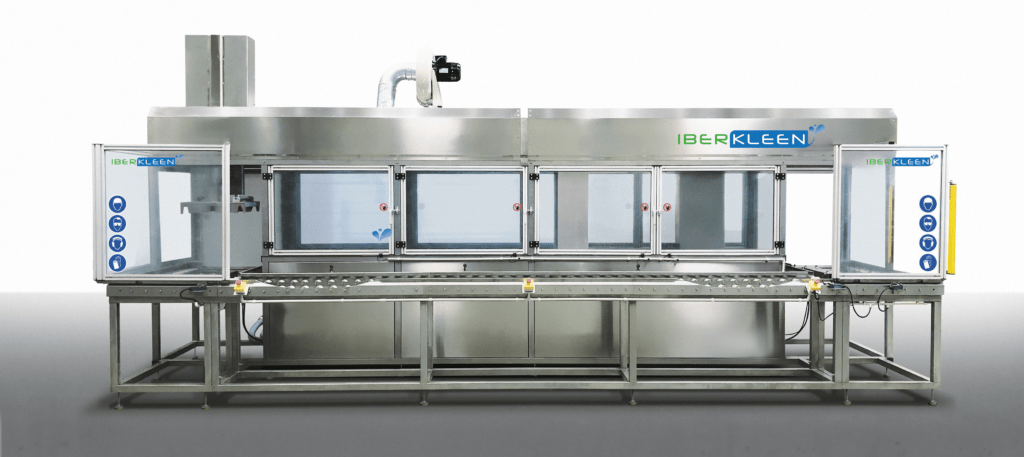
- Ability to handle large volumes of parts without compromising material integrity. Customised designs of multi-stage cleaning tunnels.
- Incorporation of water-based detergent solutions that reduce the risk of exposure to toxic chemicals.
- Sustainable Impact:
- By reducing the use of perchloroethylene, these machines contribute to a safer working environment and a smaller environmental footprint, supporting the transition towards more responsible production processes.
Ultrasonic Cleaning
Another emerging technology is ultrasonic cleaning, which uses high-frequency waves to remove dirt adhering to surfaces effectively and without damaging materials.
- Features:
- Ability to reach hard-to-reach areas, ensuring thorough cleaning.
- Significant reduction in the use of chemicals, as the process is based on the mechanical action of the bubbles formed in the liquid.
- Adaptability to different types of parts and structures, making it an ideal solution for both industrial and specialised applications.
- Sustainability and Security:
- Ultrasonic technology is positioned as an environmentally friendly and safe alternative, as it minimises the risk of contaminants and protects the health of operators by not requiring the handling of hazardous solvents.
Integration of Alternatives in Industry
The transition to sustainable cleaning methods is a win-win process for all stakeholders: from workers to the environment.
Adopting alternatives such as water-based detergents, parts washers and ultrasonic systems not only reduces the risks associated with perchloroethylene, but also improves corporate image and competitiveness in an increasingly demanding market in terms of environment and safety.
Companies that choose to invest in clean technologies can stand out by:
- Commitment to Sustainability:
Implementing practices that reduce pollution and ensure a safe working environment is a differentiating factor in today's market. - Regulatory Compliance:
Adapting to current regulations avoids penalties and improves the confidence of customers and regulators. - Innovation and Efficiency:
Automation and the use of new technologies make it possible to optimise processes, reduce downtime and improve the final quality of products.
Is there a sustainable solution to perchloroethylene?
Perchloroethylene, or tetrachloroethylene, has been a mainstay of the dry cleaning industry for many years, but its health and environmental risks and legal complexities have led to the need to look for safer and more sustainable alternatives.
The implementation of water-based detergents, industrial parts washers and ultrasonic cleaning systems represent innovative solutions that respond to current market demands, protecting both workers and the environment.
Adopting these alternatives not only improves the safety and sustainability of cleaning processes, but also positions companies as leaders in the transition to more responsible and planet-friendly practices.
While perchloroethylene has been marked by significant risks, the future of industrial and domestic cleaning is moving towards ecological and safe methods that guarantee the health of people and the environment.
Looking for an effective alternative for cleaning WITHOUT chloroethylene?
Contact us to find out how our solutions can transform your operation.