
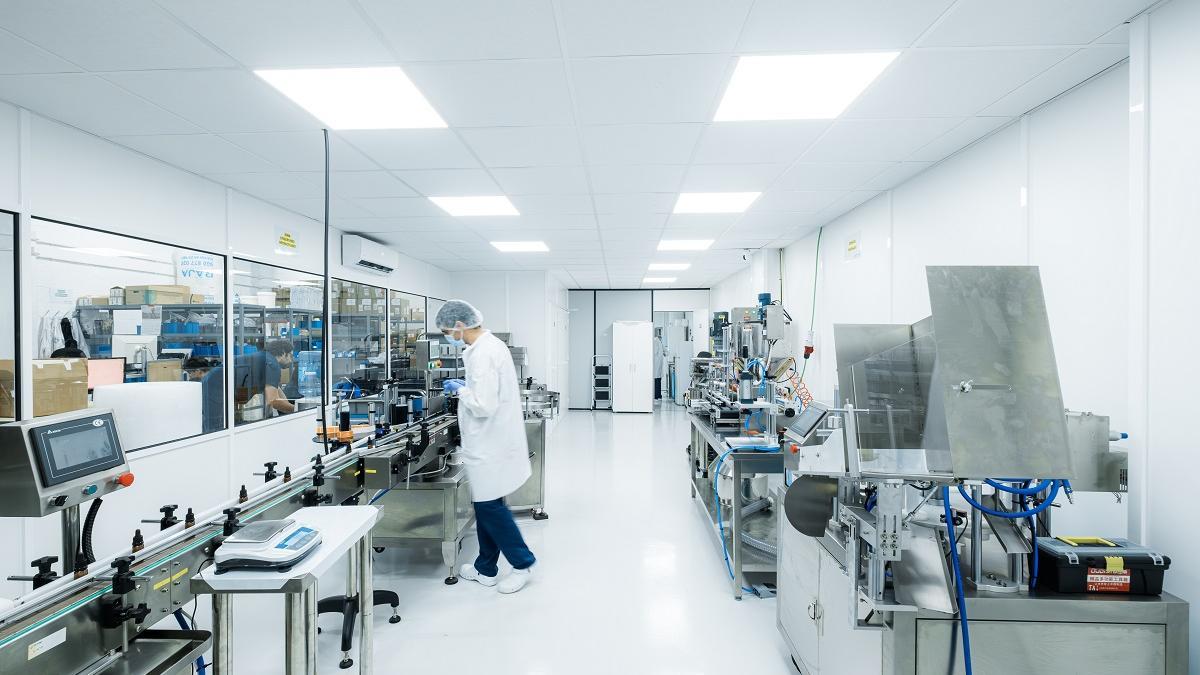
Cleaning in the Cosmetics Industry | Machines, Detergents and Technology to Ensure Hygienic and Efficient Processes
The cosmetics industry requires standards of cleanliness as high as those of the pharmaceutical industry.
Any traces of residual cream, silicone oil, pigment or emollient may compromise the quality of the final product, cause irritation or lead to cross-contamination.
Therefore, the cleaning of equipment and components in contact with cosmetic products must be validated, traceable and 100 % effective.
Learn how to clean difficult cosmetic residues such as silicones, metal oxides and emulsions with ultrasonic, CIP and GMP and FDA compliant detergents.
What makes cleaning cosmetic products difficult?
The residues generated in the manufacture of cosmetics - creams, lotions, ointments, essential oils, pigments, sunscreens and silicones - are designed to be resistant to water and degradation, making them particularly difficult to dispose of. Some of the most problematic residues include:
- Polymerised silicone emollients with titanium dioxide and zinc oxide
- Fatty ointments such as petroleum jelly and carbopols
- Resistant pigments and cosmetic lacquers
- Adherent sunscreens with high mineral content
In addition, many devices in the cosmetics industry are made of stainless steel, so reactions with aggressive detergents that can generate titanates or zincates on contact with these metal residues should be avoided.
Recommended cleaning methods in the cosmetics industry
Ultrasonic cleaning
Ultrasonic cleaning is ideal for technical parts, nozzles, precision moulds or removable components contaminated with greasy residues or difficult pigments. U
Using mild alkaline detergents with high emulsifying power and synergistic action, ultrasound allows cleaning of hard-to-reach areas without damaging the surface.
Recommended for small metal or plastic parts used in cosmetic packaging and dosing.
CIP cleaning and spraying systems
The cleaning-in-place (CIP) systems are indispensable in mixing tanks, transfer lines, pumps and valves. The most stubborn cosmetic residues - such as silicone emulsions and metal oxides - require:
- Low-foaming alkaline detergents with non-ionic surfactants
- High temperatures (>75 °C) for dissolving silicones and greases
- Chelating and dispersing agents to prevent the formation of insoluble salts
Key recommendations for cleaning cosmetic residues
To achieve effective cleaning in the cosmetics industry, it is important to choosing GMP and FDA compliant detergentsAvoid aggressive solvents that may damage equipment or leave hazardous residues.
The ideal products are those that combine emulsifying, chelating and dispersing action, allowing the removal of difficult residues such as silicones, greasy emulsions, pigments and sunscreens.
It is key to control parameters such as temperature, detergent concentration and contact time, especially when working with titanium dioxide or zinc, as they can form metallic salts if not cleaned properly.
Automate cleaning, e.g. with CIP systems or ultrasonic washershelps to improve traceability and reduce errors or downtime.
The key points:
- Select detergents compliant with pharmaceutical cleaning validation (FDA, GMP).
- Avoid aggressive solvents and use aqueous cleaners with multiple mechanisms of action.
- Control temperature, concentration and contact time according to the type of waste.
- Prevent the formation of metal salts such as titanates and zincates by adjusting the pH and chemical profile.
Common industrial applications
Cleaning solutions are applied throughout the cosmetic manufacturing chain. They are especially useful in mixing tanks, where residues of oils, creams and lacquers remain; in pipes, valves or filling heads, where emulsions or thickened products may accumulate; and in injection moulds, nozzles or precision parts, where careful cleaning is required to avoid cross-contamination.
Cleanliness is also critical in automated production lines, whether for make-up, facial care or technical cosmetics, where cosmetic residues can compromise the quality and safety of subsequent batches if not disposed of correctly.
Some of the most common areas and cleaning points:
- Cosmetic mixing tanks and reactors
- Nozzles, valves and filling heads
- Pipes and fittings in process lines
- Plastic container injection moulds
- Stainless steel tooling in contact with emulsions, oils or lacquers
At IBERKLEEN we develop cleaning solutions able to offer effective and sustainable solutions for cosmetic cleaning in all types of industries.