
Cleaning of railway bearings and rolling bearings: methods, machines and efficient maintenance
The cleaning of bearings and rolling bearings is a fundamental step in railway maintenance. These components work under extreme loads, high temperatures and constant exposure to grease and contaminants.
If they are not properly cleaned, problems such as premature wear, abnormal vibrations or even mechanical failures can occur, compromising the safety of the train.
In this article we look at the most commonly used methods for cleaning bearings, gears and axle boxesfrom traditional techniques to the most advanced cleaning systems.
In addition, we will explore the benefits of professional cleaning machines and how to choose the right solution for workshops, grinding machines and railway companies.
Bearing cleaning: a complete guide to railway bearings
What are bearings and why do they require cleaning?
Bearings are essential components in the railway running gear system. Their main function is to reduce friction between axles and supports, allowing smooth and safe movement of trains. However, constant contact with grease, dust, moisture and metal particles leads to accumulation of debris that affects their performance.
A periodic cleaning of rolling bearings and bearings not only prolongs their service life, but also prevents serious mechanical failures, such as blockages or overheating, which can compromise railway safety.
Bearing types and components in axleboxes and bogies
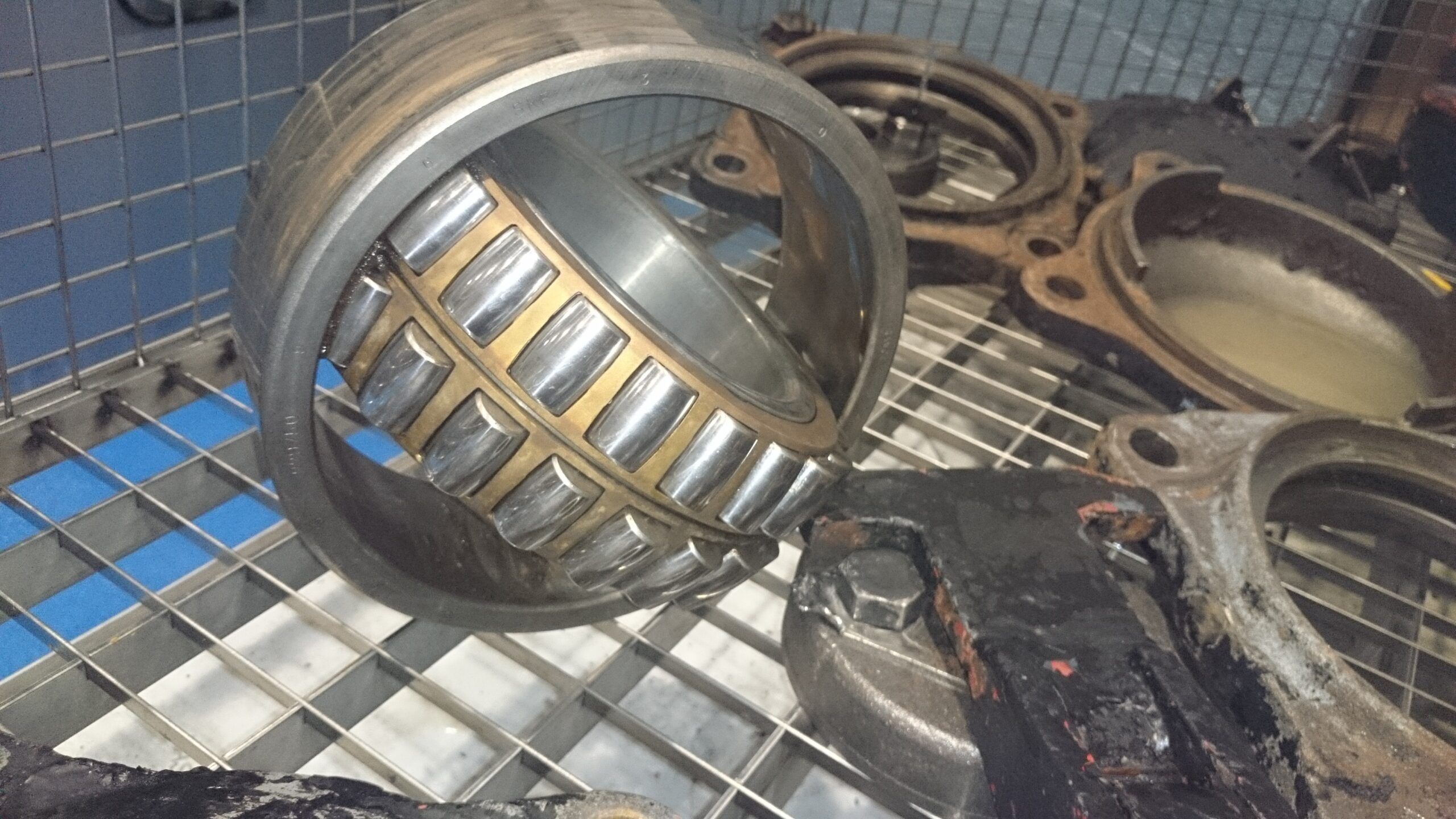
Different bearing configurations are found in railway systems: ball bearings, cylindrical roller bearings, tapered roller bearings or spherical bearings, each adapted to specific loads and stresses.
Alongside these are grease seals, which prevent leakage and the ingress of contaminants. They also include gears, valves and sensors that require regular cleaning to ensure that the system operates smoothly.
Common problems: dirt, wear and diagnosis
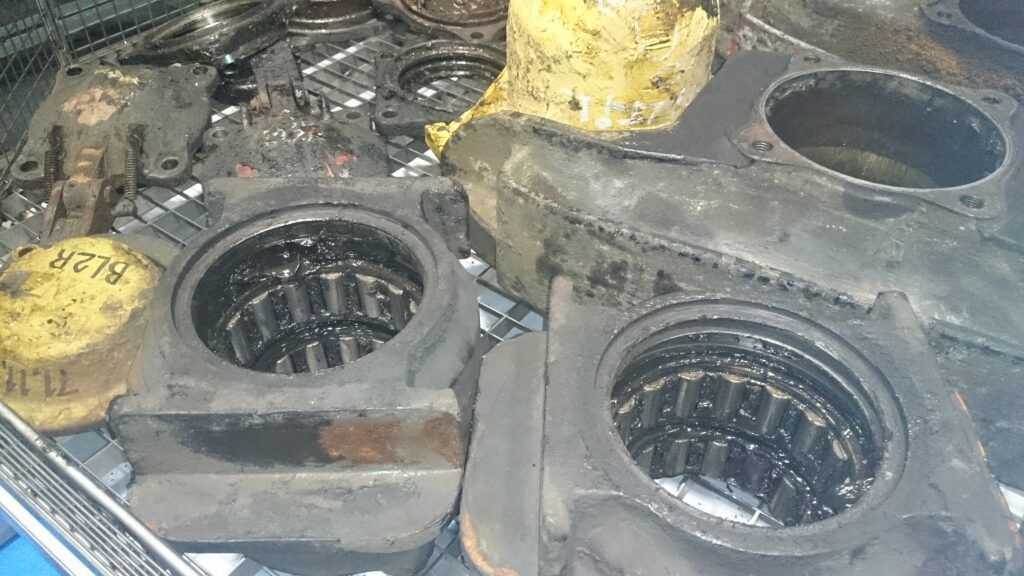
Over time, bearings accumulate degraded grease, metal debris and moisture, which leads to rust. This leads to increased friction and reduced engine efficiency.
On the other hand, damaged seals allow the grease to deteriorate prematurely. Common symptoms of dirty or worn bearings are abnormal vibrations, increased temperature, metallic noises or grease analysis with contaminating particles.
Detecting these problems in time is key to avoiding costly repairs and unexpected train stoppages.
Manual and corrective methods in traditional maintenance
Traditionally, the bearing cleaning was carried out by disassembling the part, removing grease residues with solvents and reapplying fresh lubricant.
This method is still valid for one-off or emergency interventions, but it is time-consuming, labour-intensive and exposes operators to aggressive chemicals.
In addition, the manual process does not guarantee uniform cleaning in internal cavities, leaving areas with accumulated dirt that accelerate bearing wear.
Advanced cleaning with ultrasonic technology and spray washers
The incorporation of the ultrasonic cleaning has revolutionised railway maintenance. Through cavitation, millions of micro-bubbles impact on the bearing surface, dislodging grease and adhering particles even in the most inaccessible areas.
This process is fast, safe and consistent, and most importantly, it does not damage the metal or alter critical part tolerances. For workshops and grinding machines, it translates into increased productivity and reduced downtime of railway units.
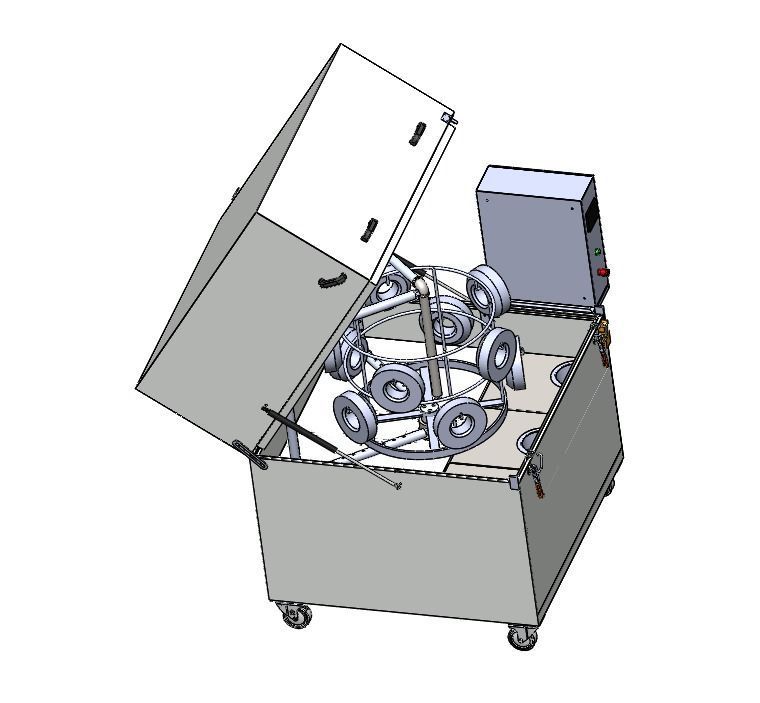
At IBERKLEEN In addition to ultrasonic cleaning machines, we also manufacture customised spray washers for all types of train parts, including for the cleaning of complete bogies.

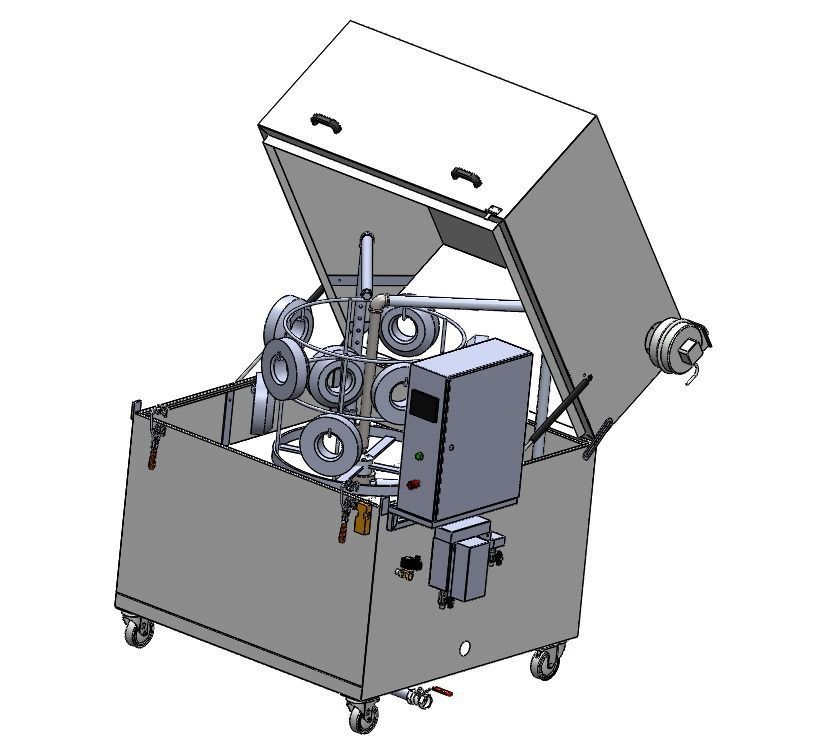
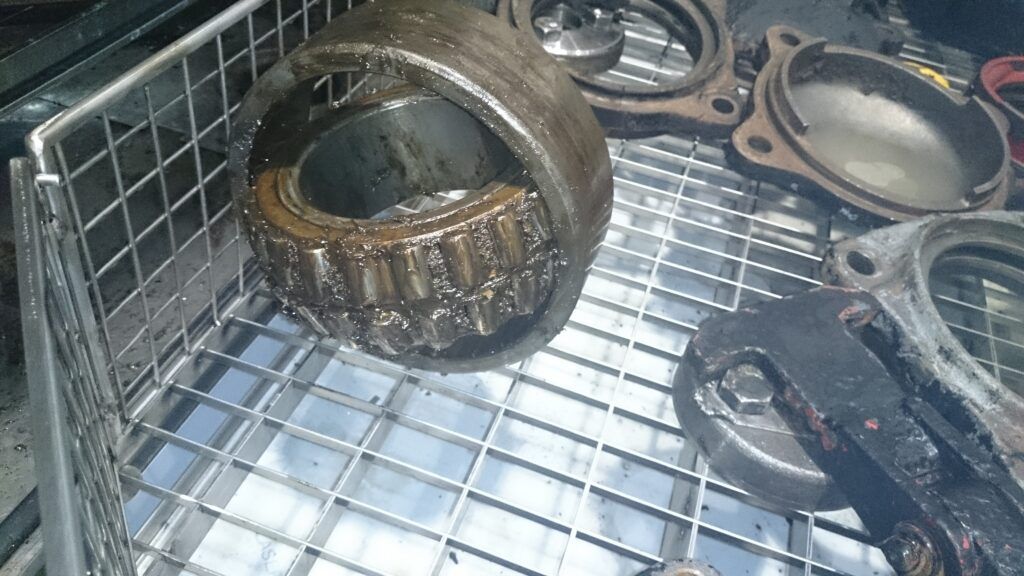
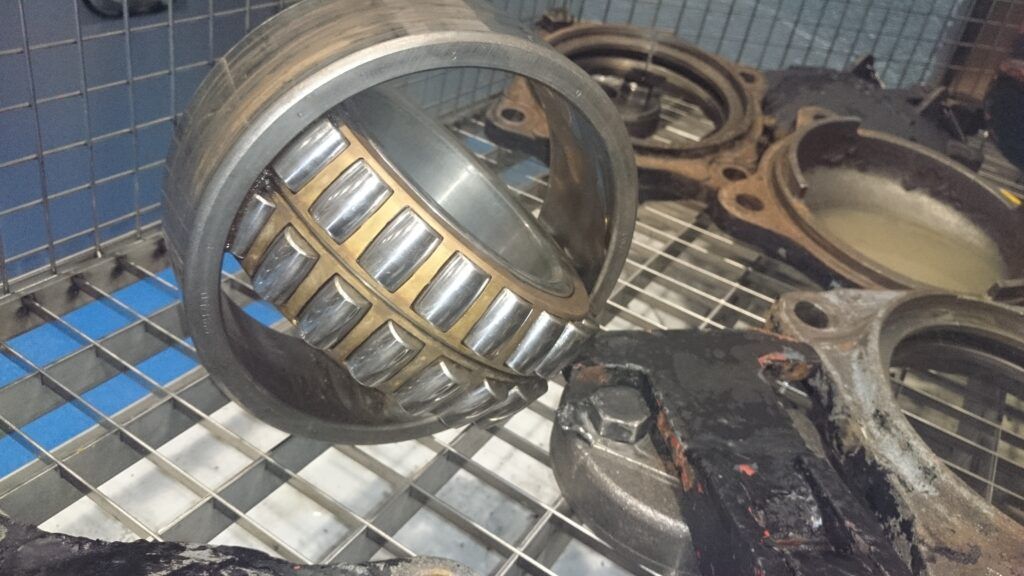
Automation in bearing cleaning: multi-stage systems
Modern equipment is not limited to an ultrasonic cleaning tank. Nowadays there are multi-stage automatic lines both ultrasonic and spray systems that integrate consecutive phases:
- Pre-wash with hot alkaline degreaser.
- Frequency controlled ultrasonic cleaning or spraying.
- Rinse with cold or hot water.
- Passivated to prevent corrosion.
- Drying by means of hot air or turbines.
Thanks to this system, the cleaning of railway bearings is more efficient, standardised and sustainable compared to classical methods.
Practical applications: parts that benefit from the process
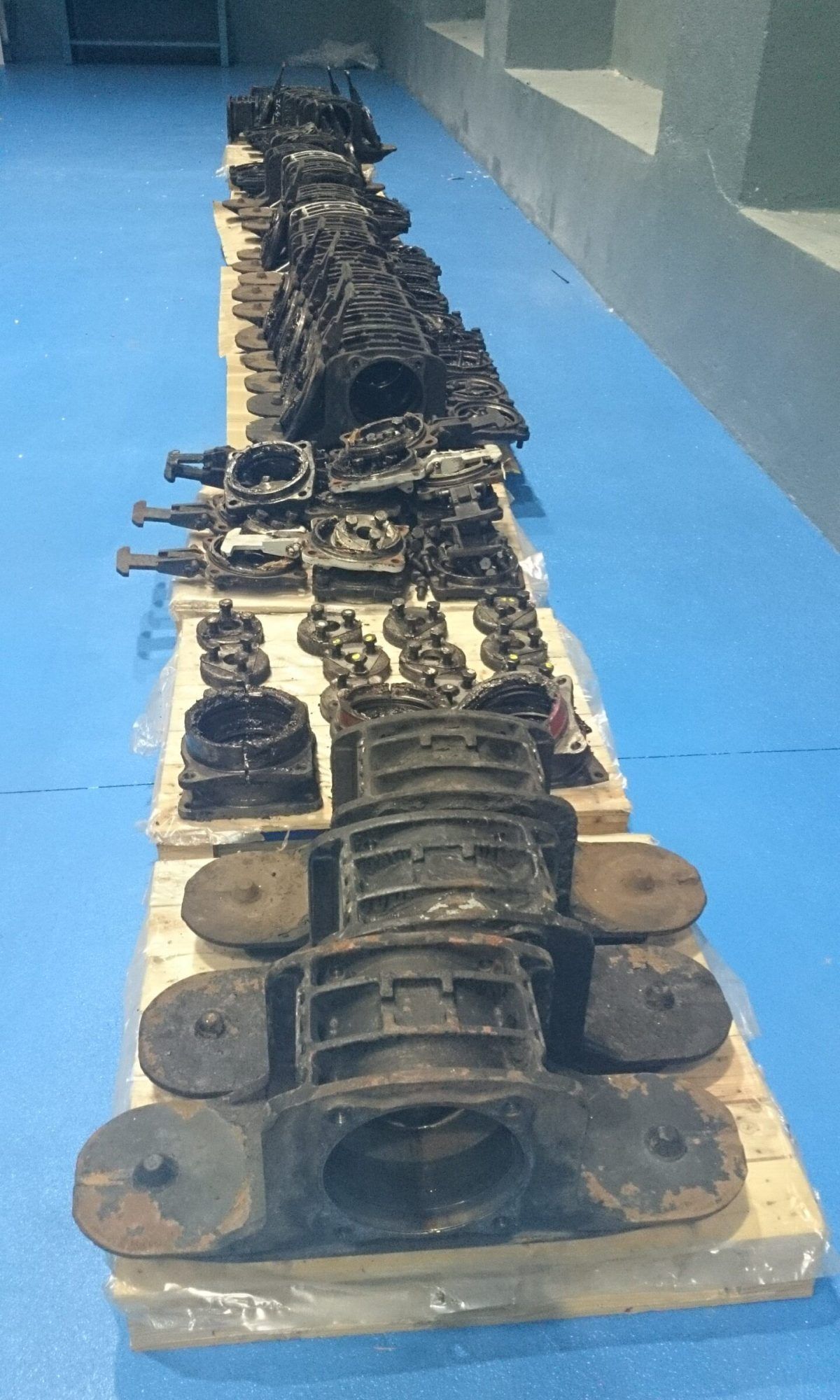
Ultrasonic technology is not limited to bearings. It is also used for the gear cleaningThe wheels, wheels, bogies, valves and brakes, components that accumulate complex waste that is difficult to access.
In the case of axleboxes and bearings, the impact is immediate: reduced failures, less overheating and longer part life.
Benefits over traditional methods
The move from manual cleaning to professional systems brings tangible benefits:
- Reduction of working time by up to 70 %.
- Complete removal of grease, carbon and oxides.
- Saving of chemical products and less environmental impact.
- Reduced exposure of operators to hazardous substances.
- Increased durability and reliability of bearings.
Investing in advanced technology therefore not only improves maintenance, but also increases the operational safety of trains.
Innovation and predictive maintenance in railway bearings
The future of bearing cleaning lies in the integration of bearing cleaning systems and predictive maintenance. The use of sensors that monitor vibration, temperature and grease quality allows cleaning to be scheduled before serious faults occur.
In addition, new design trends point to lighter, heat-resistant bearings that are compatible with more sustainable cleaning processes, further optimising the efficiency of the railway industry.